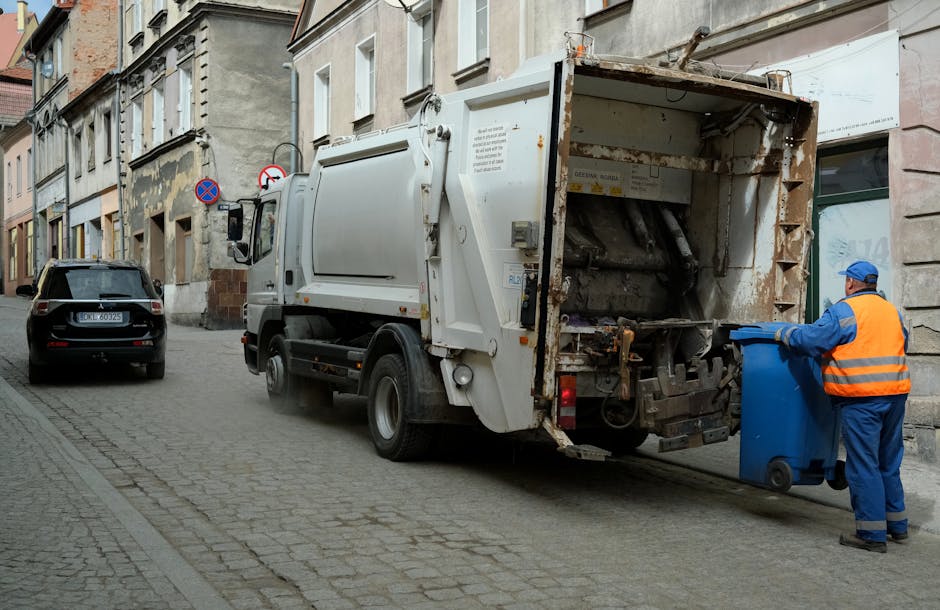
Bulky rubbish pickup Cottenham Park estate SW20: a practical guide for homes, flats and local clearances
If you are dealing with an old sofa in the hallway, a broken wardrobe that never quite fit down the stairs, or a pile of mixed household junk that has quietly taken over a corner of the flat, you are probably looking for a simple, reliable bulky rubbish pickup Cottenham Park estate SW20. That is usually the real need: not just "waste removal", but a straightforward way to get large items gone without stress, awkward lifting, or a weekend lost to the tip. In a place like Cottenham Park estate, where access, parking and shared spaces can make even a small clearance feel fiddly, the right service can make a big difference.
This guide explains how bulky rubbish pickup works, what counts as bulky waste, how to prepare, what to avoid, and how to choose a service that feels properly managed rather than rushed. It is written for people who want practical answers first, and a bit of reassurance too. Let's face it, once bulky items start blocking a corridor or garage, you want them gone yesterday.
Table of Contents
- Why Bulky rubbish pickup Cottenham Park estate SW20 Matters
- How Bulky rubbish pickup Cottenham Park estate SW20 Works
- Key Benefits and Practical Advantages
- Who This Is For and When It Makes Sense
- Step-by-Step Guidance
- Expert Tips for Better Results
- Common Mistakes to Avoid
- Tools, Resources and Recommendations
- Law, Compliance, Standards, or Best Practice
- Options, Methods, or Comparison Table
- Case Study or Real-World Example
- Practical Checklist
- Conclusion
- Frequently Asked Questions
Why Bulky rubbish pickup Cottenham Park estate SW20 Matters
Bulky waste is not the same as everyday black-bin waste. It is the awkward stuff: mattresses, sofas, large cupboards, old office chairs, white goods, broken garden furniture, exercise equipment, and those half-dismantled items that somehow became too heavy to move and too ugly to keep. On an estate, that kind of waste can become more than an eyesore. It can block fire routes, make hallways feel cluttered, attract complaints from neighbours, and create manual handling risks for anyone trying to drag it outside.
In Cottenham Park estate, the practical challenge is often access rather than volume. A clear driveway is not always available. Parking can be limited. Lifts can be small, stairs can be narrow, and shared entrances need to be kept tidy. A thoughtful bulky rubbish pickup service helps handle all of that in one go, instead of turning clearance into a chain of small problems.
There is also the simple time factor. You could spend several evenings dismantling furniture, hiring a van, wrapping items, and finding a disposal route. Or you can arrange a pickup that handles collection and removal in one visit. For many people, the second option is not just easier; it is the only realistic one.
Expert summary: the best bulky rubbish pickup is not just about lifting heavy things. It is about safe removal, tidy access, responsible sorting, and leaving the space usable again without fuss.
How Bulky rubbish pickup Cottenham Park estate SW20 Works
Most bulky rubbish pickups follow a fairly simple pattern, though the details matter. You usually start by describing the items you want removed, where they are located, and whether there are any access issues. That might mean upstairs flats, shared corridors, basement storage, or items left at the back of a garage. A good provider will want enough information to plan the right crew and vehicle, because guessing is where things go sideways.
Once the load is understood, the next step is collection. In many cases, the team will arrive, confirm the items, load them safely, and take them away the same day. Some clearances are quick. Others need more care, especially if there are bulky items to dismantle first or if the property has tricky entry points. You may also be asked to separate reusable furniture from general rubbish, or to point out anything that needs special handling, such as a fridge, freezer, or item with possible contamination.
If you want a broader tidy-up, bulky pickup can sit alongside other services such as furniture clearance, house clearance, or home clearance. For estate flats, that can be especially useful when one large item turns into three bags, a shelf unit, and a box of mixed clutter. It happens. More often than people admit.
For offices or mixed-use spaces, the logic is the same, though the waste stream changes. A project may include filing cabinets, desks, monitors, or confidential paper. In those situations, a service like office clearance or confidential shredding may be more appropriate than a basic household pickup.
Key Benefits and Practical Advantages
The most obvious benefit is convenience, but that only scratches the surface. A proper bulky rubbish pickup saves you from hiring equipment you may not need, from overloading a car boot with unsafe items, and from making multiple journeys that eat up a whole day. It also reduces the chance of injury. Anyone who has tried to carry a damp mattress down communal stairs will know exactly what that feels like. Awkward, sweaty, and somehow worse than you expected.
Another important benefit is speed. If you are trying to hand back a tenancy, prepare for decorating, or just reclaim space in a crowded flat, a same-day or scheduled pickup can clear a bottleneck fast. That matters when a room cannot be used properly until the bulky waste goes.
There is also a quality-of-life angle that people sometimes overlook. Once the large items are gone, the property feels calmer. Light comes back into the room. You can actually sweep the floor. The space stops nagging at you every time you walk past it. That is a real benefit, not just a nice extra.
- Safer handling of heavy, awkward items
- Less disruption to shared estate spaces
- Faster turnaround than DIY disposal in many cases
- Reduced risk of damage to walls, floors, and stairwells
- Better separation of reusable items, recyclables, and general waste
- Less stress when you are working to a deadline
For people who are comparing disposal methods, it can help to think beyond cost alone. A cheaper option that takes you three trips, risks a scratch on the stairwell, and leaves you exhausted is not always the better deal.
Who This Is For and When It Makes Sense
Bulky rubbish pickup Cottenham Park estate SW20 is a strong fit for a wide range of people. Homeowners use it after a refurb, a furniture upgrade, or a garage clear-out. Tenants use it when moving out and discovering that the previous owner of the spare room left behind a double bed frame, a rusted shelf, and a mystery chair that no one claims. Landlords and managing agents use it to reset spaces between occupancies. Estate residents use it when the bin store is simply not the right place for oversized items.
It also makes sense when the items are too large for normal kerbside disposal, too awkward to carry alone, or too mixed to sort easily at home. If you have a sofa that will not fit through the door, a broken wardrobe with missing panels, or a handful of large items plus bagged clutter, a pickup often becomes the cleanest solution.
Sometimes the decision is emotional as much as practical. Clearing a relative's flat, for example, can feel overwhelming. You may not know where to begin, and the bulky items are often the most visible reminder that the job is unfinished. In that situation, a clear plan helps enormously.
Useful related services may include flat clearance, garage clearance, loft clearance, or garden clearance, depending on where the bulk of the items are stored. A lot of jobs are not really one job. They are three mini-jobs pretending to be one. That's normal.
Step-by-Step Guidance
If you want the process to feel calm and organised, do a little prep before the pickup day. Nothing dramatic. Just enough to make the collection efficient.
- List the bulky items clearly. Write down what needs removing, including approximate size and number of pieces.
- Check access. Think about stairs, lifts, locked gates, narrow hallways, and parking near the block.
- Separate special items. Put aside anything that may need separate handling, such as fridges, mattresses, or electricals.
- Remove personal belongings. Check drawers, pockets, shelves, and under cushions. It sounds obvious, but people forget.
- Clear a path. Make sure the team can move safely from the item to the exit without squeezing around boxes or shoes.
- Ask about sorting. If you want reusable items or recycling separated, say so before the collection.
- Confirm timing and arrival details. Small timing issues can matter a lot on estates, especially where parking windows are tight.
On the day itself, the best thing you can do is keep the route clear and answer questions quickly. If a sofa needs to be split down, a cupboard door removed, or a mattress moved first, a steady hand helps. You do not need to do the heavy work yourself, obviously, but a bit of coordination makes the pickup smoother.
If you are unsure what can be taken together, it can be useful to review guidance on what can go in a skip. Even though a pickup is not the same thing as a skip, the same basic sorting logic applies: know what you have, and flag anything unusual before collection.
Expert Tips for Better Results
A few small decisions make a surprisingly big difference. First, photograph the items before collection. Not for show, not to be fussy - just so you have a record of what is being removed, especially if there are several similar pieces. If there is ever confusion on the day, those pictures help. Second, group items by type if you can. One corner for furniture, one for bags, one for electricals. It saves time and reduces miscommunication.
Third, if the bulky waste is part of a larger clear-out, decide in advance what stays and what goes. Half-packed rooms are where mistakes happen. A labelled note on the door, or even a simple piece of tape, can avoid an item being moved that you meant to keep. Slightly old-fashioned? Maybe. Effective? Very.
Fourth, think about the weather. A wet morning makes mattresses, cardboard and fabric items heavier and messier. If the pickup is outside, consider whether the route to the van might get slippery. This is the sort of thing that sounds minor until someone is carrying a wardrobe side panel and the pavement is slick.
Finally, choose a provider that explains how waste is handled after collection. Responsible disposal matters. If you care about recycling, reuse and proper sorting, ask about the company's approach to recycling and sustainability. It is a sensible question, not a picky one.
Common Mistakes to Avoid
One of the most common mistakes is underestimating the size of bulky items. A wardrobe that looks manageable in a bedroom can become a problem once it reaches a staircase. Another mistake is forgetting that shared estate spaces are not storage areas. Leaving items in a hallway "just for an hour" can quickly upset neighbours or create access issues. Truth be told, people notice these things.
Another big one is not checking for prohibited or special waste. Fridges, freezers, and some appliances need the right handling. Some items may also be classed differently depending on condition and contents. If you are dealing with a refrigerator or a similar appliance, a dedicated fridge and appliance removal service may be the better fit.
It is also easy to forget that mattresses and sofas can be awkward to carry and sort. If those are part of the load, a dedicated mattress and sofa disposal option may help simplify the process. Similarly, if you are clearing an entire set of furniture, the route you take matters. Not all items belong in the same bucket, and pretending otherwise usually causes delays.
- Do not leave bulky items in communal areas before the agreed time
- Do not assume every appliance can be treated as ordinary rubbish
- Do not forget to check drawers, compartments, and hidden storage spaces
- Do not block fire exits or access routes while waiting for pickup
- Do not rely on vague descriptions when booking the collection
Tools, Resources and Recommendations
You do not need specialist equipment for most pickups, but a few basic tools can help if you are preparing items before the team arrives. A screwdriver, Allen keys, a pair of gloves, strong tape, and a marker pen are often enough for light dismantling and labelling. If you are clearing a storage area, a torch helps too. Loft spaces and garage corners have a habit of swallowing things in dim light.
For larger home tidy-ups, it can be useful to think in service groups rather than item groups. For example, a room-by-room clear might involve house clearance for the main property, garage clearance for overflow storage, and garden clearance for outdoor waste. That approach is often less chaotic than trying to describe everything at once.
If your clear-out includes business items, files, desks or mixed office clutter, then business waste removal or office clearance may be more relevant. It depends on the setting, but the principle is the same: match the service to the waste stream.
For customers comparing costs, the most useful page to review is pricing and quotes. Clear pricing reduces back-and-forth and helps you understand what affects the final figure, such as access, item type, and load size. Nobody likes hidden surprises. Not in waste removal, not anywhere really.
Law, Compliance, Standards, or Best Practice
Bulky rubbish pickup should be handled with care and in line with normal UK waste-management practice. That includes avoiding fly-tipping, ensuring waste is transferred responsibly, and separating items that need special handling. If you are arranging a collection from a shared estate, best practice also means not obstructing access routes, not leaving waste in communal areas longer than necessary, and making sure the collection is booked with enough detail to avoid mistakes.
For residents and landlords alike, keeping a simple record of what was removed can be a sensible habit. That is especially useful during move-outs, refurbishment projects or probate clearances where multiple people may be involved. It does not need to be formal. A list, a few photos, and confirmation of the items is often enough.
Some items require extra caution. Electrical appliances, mattresses, and certain household goods may have different disposal expectations depending on their condition. If anything looks contaminated, damaged in a way that creates handling risk, or potentially hazardous, it is best to flag it before collection. If a load contains materials that are unsafe or restricted, a dedicated hazardous waste disposal route may be needed. That is not the kind of thing to leave to chance.
Reputable operators also take safety seriously. If you are comparing providers, it is reasonable to look for information about health and safety policy, insurance and safety, and overall responsible practice. These are not just box-ticking pages; they help show that a provider understands manual handling, site safety, and customer protection. That matters, especially on estates where shared access can become a real-world hazard very quickly.
Options, Methods, or Comparison Table
If you are deciding how to remove bulky rubbish, the right method depends on time, item type, access, and how much effort you want to put in. Here is a simple comparison to help you think it through.
| Method | Best for | Strengths | Limitations |
|---|---|---|---|
| Bulky rubbish pickup | Single large items or mixed bulky waste from homes and flats | Fast, convenient, little effort from the customer | Needs clear item descriptions and access information |
| DIY van trip | Small volumes with easy transport | Can suit very simple loads | Time-consuming, physically demanding, can be messy |
| Room or property clearance | Multiple items across several rooms | Good for larger tidy-ups and move-outs | May be more than you need for one or two items |
| Specialist item removal | Appliances, mattresses, sofas, sensitive materials | Better handling for specific item types | May need separate booking or category selection |
For many people, bulky rubbish pickup sits in the sweet spot. It is more practical than trying to manage everything yourself, but not as heavy-handed as booking a full clearance when all you really need is a sofa and a broken cabinet gone.
Case Study or Real-World Example
Picture a third-floor flat on Cottenham Park estate. The resident has an old three-seater sofa in the lounge, a dismantled bookcase in the hallway, and a mattress leaning against the bedroom wall after a bed upgrade. There is no lift. The stairwell is narrow. Parking is limited to a short window, and the resident has work in the morning. Not ideal.
In that situation, the most sensible approach is to group the items, confirm access details, and arrange a pickup that can handle all the bulky waste in one visit. The resident checks the hallway, removes loose cushions and small personal items, clears the route to the front door, and makes sure nothing is left behind on the landing. On arrival, the team can move the items out in a safer sequence without stopping to ask a dozen questions. The job is done quickly, the corridor is left clear, and the flat feels usable again by lunchtime.
What made the difference? Not brute strength. Planning.
That is the bit people often miss. A successful bulky pickup is usually less about the van and more about the preparation. A little clarity up front saves a lot of wobbling around later.
Practical Checklist
Use this checklist before your collection day. It keeps things simple.
- Identify every bulky item that needs removing
- Measure or estimate the biggest pieces
- Check whether the items need dismantling first
- Remove all personal belongings from drawers, pockets, and compartments
- Make a clear path from the item to the exit
- Confirm any access issues, such as stairs, lifts, gates, or parking limits
- Separate appliances, mattresses, sofas, or anything unusual
- Ask how recyclable or reusable items will be handled
- Keep communal areas clear until the agreed pickup time
- Have a contact number ready on the day in case the team needs to check details
If you want to be extra organised, jot down the pickup time on a note by the door. It sounds a bit old-school, but it saves that moment of "Was it 10:30 or 11:30?" that everyone knows too well.
Conclusion
Bulky rubbish pickup Cottenham Park estate SW20 is really about making a difficult job feel manageable. Whether you are clearing one oversized item or several pieces of bulky waste, the right approach saves time, reduces stress, and helps you keep shared spaces safe and tidy. It also gives you a cleaner, calmer property to live or work in, which is no small thing.
When you are ready, focus on three things: describe the items clearly, check access carefully, and choose a service that takes safety and responsible disposal seriously. That combination usually leads to a smooth pickup and far fewer headaches. And once the clutter is gone, the difference can be quite striking. Quietly satisfying, even.
Get a free quote today and see how much you can save.
Frequently Asked Questions
What counts as bulky rubbish in Cottenham Park estate SW20?
Bulky rubbish usually means items that are too large, heavy, or awkward for normal household bins. That often includes sofas, beds, mattresses, wardrobes, tables, large shelving, garden furniture, and some appliances.
Can bulky rubbish be collected from a flat or upper floor?
Yes, provided access is made clear in advance. Stairs, lifts, narrow landings, and parking restrictions are all worth mentioning when you book so the crew can plan properly.
Is bulky rubbish pickup better than hiring a skip?
It depends on the job. A pickup is often better for one-off large items or mixed bulky waste, while a skip can suit ongoing DIY projects or larger quantities of loose waste. If you are unsure, compare the amount, access, and effort involved.
Do I need to dismantle furniture before collection?
Not always. Many items can be collected as they are, though dismantling may help where access is tight. If you can safely remove legs, shelves, or panels, it can make the job easier.
Can mattresses and sofas be removed as part of the same pickup?
Yes, in many cases they can. These are common bulky items, but they may need specific handling. A dedicated mattress and sofa disposal option can be helpful if those are the main items.
What if I have a fridge, freezer, or other appliance?
Appliances can be collected, but they should be flagged in advance. A fridge and appliance removal service is often the safest choice because those items can require different handling from standard furniture.
How should I prepare items before pickup?
Remove personal belongings, clear a path, check for loose parts, and group items by type if you can. A few minutes of prep usually saves time on the day.
Will the collection team take everything from my property?
They will usually remove the items agreed at the time of booking. It is best to be precise about what is going so there is no confusion between items to keep and items to take.
What happens to the waste after collection?
That depends on the provider's process. Responsible operators sort items for reuse, recycling, or disposal as appropriate. If sustainability matters to you, ask about recycling and sustainability before booking.
How do I know if my bulky rubbish needs special handling?
If the items are damaged, contaminated, unusually heavy, electrical, or potentially hazardous, they may need separate handling. When in doubt, describe the item clearly and ask before collection.
Is bulky rubbish pickup suitable for landlords and managing agents?
Yes. It is often a practical option for end-of-tenancy clearances, abandoned furniture, and leftover items in communal or rental spaces. It helps reset a property quickly between occupancies.
What is the biggest mistake people make with bulky rubbish pickup?
The biggest mistake is being vague. If the provider does not know exactly what they are collecting, where it is, and how accessible it is, the job can take longer or need to be rescheduled. A few clear details up front make everything easier.
How do I choose a reliable provider?
Look for clear pricing, sensible communication, safety information, and responsible waste handling. It also helps if the company explains its policies plainly rather than hiding everything in fine print.