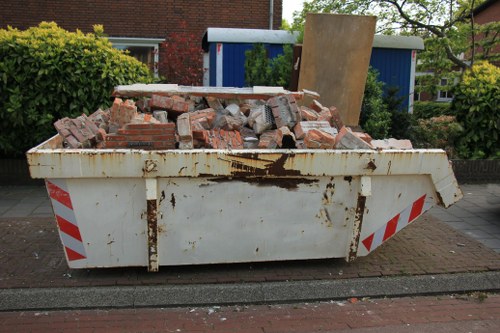
Recycling and Sustainability — Commercial Waste Raynes Park
Our eco-friendly waste disposal area vision
In Raynes Park we treat Commercial Waste Raynes Park as more than refuse — it is a resource. This page outlines how local businesses can engage with an eco-friendly waste disposal area and help build a resilient, sustainable rubbish area. We align with the borough's approach to waste separation, encouraging clear streams for glass, paper, card, food and mixed recycling so that commercial loads are easier to process at local facilities.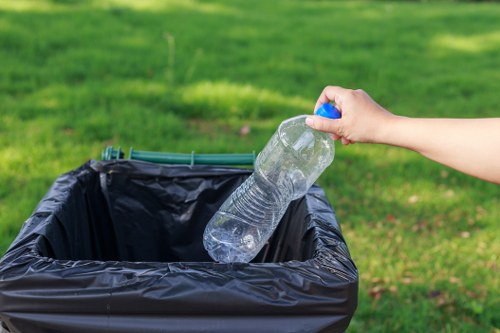
Targets, measurement and local transfer stations
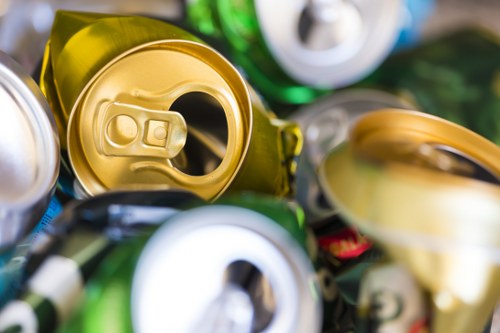
We have set a clear recycling percentage target: a minimum of 70% recycling and reuse of commercial material by 2030 for the Raynes Park commercial waste stream. Meeting this target relies on good segregation at source, timely collection, and efficient transfer through local transfer stations such as nearby borough transfer facilities and south London consolidation depots. Regular reporting from weighbridges at transfer stations provides the data we need to track progress and improve diversion rates.To support reuse and reduce landfill we work with a network of partners. These include redistributors for food surplus, textile banks for commercial-grade donations, and furniture re-use organisations that accept office fixtures and fittings. Our sustainable rubbish area model emphasizes practical steps: clear labelled bins, dedicated cardboard compaction, segregated food waste containers, and safe disposal channels for WEEE and packaging materials.
 Our operational practices focus on lowering carbon per tonne of waste handled. We maintain an audited fleet transition plan to low-carbon vans — electric and hybrid vehicles for short urban rounds and efficient Euro-6 or better vehicles for bulk collections. This move reduces emissions across the local waste supply chain and supports the Raynes Park community by lowering roadside pollution and noise from collection vehicles.
Services we coordinate include:
- Source segregation programmes for businesses — separate bins for glass, paper/card, mixed recycling and food waste.
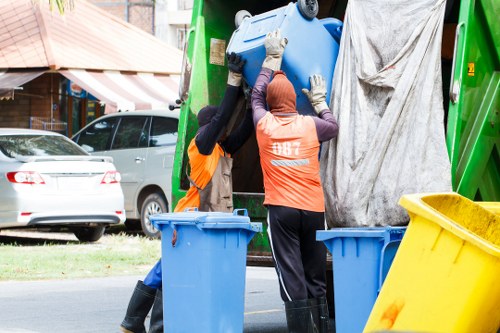
- Scheduled collections using low-emission vehicles and consolidated routes to cut mileage.
- Transfer station logistics that prioritise recycling recovery and ensure non-recyclable residuals go to energy recovery facilities rather than landfill.
Monitoring performance is critical. We publish regular statistics that show tonnages recycled, reused and sent for energy recovery, helping tenants and business owners see the impact of improved sorting. Using digital reporting tools and periodic audits, we aim to increase recycling rates year-on-year and meet the 70% commercial recycling target. This is supported by staff training, visual signage in communal waste areas, and incentives for businesses that consistently reduce residual waste.
 Partnerships with charities and community groups are essential for diverting reusable goods from the waste stream. We collaborate with local not-for-profits, community-run reuse hubs and national charity networks to ensure items like surplus food, reusable furniture and clothing are redirected to people who need them. These partnerships also help to provide traceable outcomes for donations, strengthening the social value of the commercial waste system in Raynes Park.
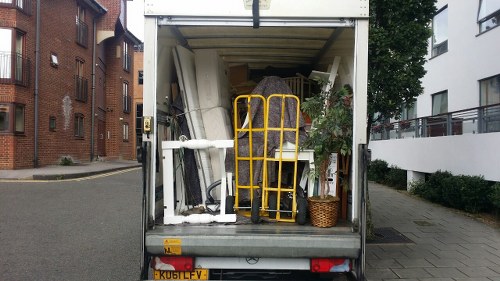 The practical benefits of an eco-conscious approach to commercial waste in Raynes Park are clear: lower disposal costs through better segregation, reduced carbon emissions thanks to low-carbon vans and optimised routes, and stronger community links via charity partnerships. By creating a designated, well-managed sustainable rubbish area for businesses and encouraging reuse, we support the borough's waste separation policies and help local firms meet their environmental responsibilities.
Long-term plans include expanding access to local transfer stations for small and medium enterprises, piloting on-site compaction and baling for cardboard, and further electrifying the collection fleet. We will also continue to test initiatives that increase the capture of organics and hard-to-recycle materials, and broaden charity partnerships to cover more material types and support local circular economy projects.
For landlords and business managers, introducing clear collection schedules, labelled sorting zones and visible performance dashboards makes a measurable difference. The combined effect reduces the environmental footprint of Raynes Park commercial waste while creating operational efficiencies and supporting a thriving, low-carbon local economy.
Final note: Our commitment to the eco-friendly waste disposal area and sustainable rubbish area in Raynes Park is ongoing. Through targeted recycling percentage targets, collaborations with transfer stations and charities, and investment in low-carbon vans, the goal is to transform how commercial waste is handled — turning a local challenge into an opportunity for sustainability and community benefit.
