Health and Safety Policy for Commercial Waste Raynes Park
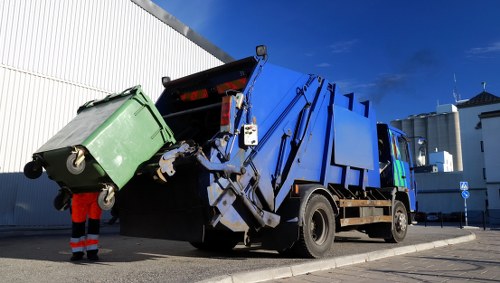 Purpose: This policy sets out a clear framework for managing health, safety and environmental risks associated with commercial waste collection and rubbish services in and around Raynes Park. It applies to all employees, contractors and visitors involved in business waste removal, commercial refuse collection and other operational activities. The aim is to protect people, property and the environment by defining responsibilities, controls and safe working practices for a local rubbish company service area while remaining adaptable to different sites and client requirements.
Scope: The policy covers daily collections, skip hire coordination, on-site waste handling, vehicle operations, hazardous material segregation and transfer, and depot-based activities. It includes guidance on manual handling, vehicle loading and unloading, safe use of equipment, and procedures for dealing with sharps, chemical spills and asbestos-contaminated material. The company expects strict compliance with established procedures for commercial rubbish removal and business waste management across all routes and customer sites.
 Responsibilities: Senior management hold ultimate responsibility for health and safety performance and for ensuring adequate resources are provided. Supervisors and operatives are responsible for following risk assessments and safe systems of work. All staff must report hazards, incidents and near misses promptly. Contractors engaged for specialist commercial waste services must demonstrate competence and provide their own method statements and certifications where required. Everyone on site is expected to act to prevent harm and to cooperate with monitoring activities.
Risk Assessment and Control Measures
Risk assessments are conducted for routine and site-specific tasks including skip placements, bulk rubbish collection, compacting operations and depot activities. Controls include segregation of recyclables, secure containment of hazardous items, use of designated PPE, vehicle safety checks and exclusion zones during loading. A practical hierarchy of controls is used: elimination, substitution, engineering controls, administrative controls and personal protective equipment to minimise exposure to harm during commercial waste services across the service area.
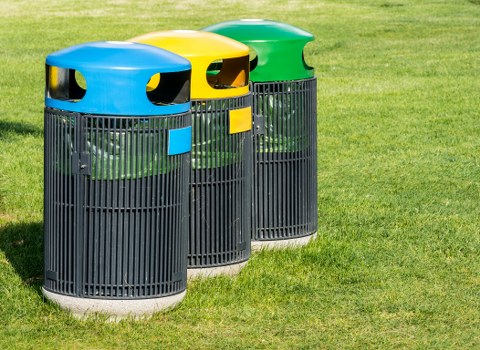 Safe Systems and Procedures: Documented procedures are maintained for vehicle pre-use inspections, safe loading protocols, traffic management at customer premises, and secure transfer to licensed waste transfer stations. Staff receive instruction on rubbish collection in Raynes Park and similar urban environments, including reversing safety, use of spotters, and safe use of lifting aids. A clear permit-to-work approach is applied for non-routine tasks and confined space entry.
Key operational controls include:
- Personal Protective Equipment: gloves, high-visibility clothing, safety footwear, eye protection and respiratory protection where required.
- Manual Handling: mechanical aids used whenever feasible and lifting plans for heavy or awkward loads.
- Hazardous Waste: segregation, labelling and specialist disposal routes for chemical waste, batteries, oils and sharps.
Training, Competence and Communication
Training programmes are provided to ensure staff competence in safe rubbish collection techniques, emergency response, spill control and first aid. Induction includes familiarisation with the company health and safety policy, route-specific risks and expectations for behaviour and reporting. Refresher training and toolbox talks are scheduled regularly to address seasonal risks and lessons learned from incident investigations.
 Monitoring, Reporting and Investigation: Performance is monitored through vehicle and site inspections, route audits and proactive safety observations. All incidents, near misses and environmental spills are reported, recorded and investigated to identify root causes and corrective actions. Statistical trends inform targeted interventions to reduce injuries and incidents associated with commercial rubbish removal and depot operations. Strong emphasis is placed on learning and continuous improvement.
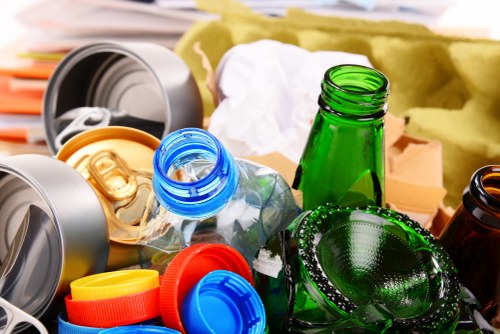 Policy Review and Contractor Management: The policy is reviewed periodically and after significant operational changes or incidents. Contractors and subcontractors engaged for business waste Raynes Park operations must meet the same safety standards; their documents and records are assessed prior to and during engagement. Audits are used to verify compliance and to ensure that waste transfer and disposal chains are maintained responsibly.
Emergency arrangements cover first aid, spill containment, fire response and liaison with emergency services where required. Evacuation routes and muster points are clearly identified at depots and shared with visiting staff. Equipment for spill response and first aid is kept in designated locations and checked regularly. In addition, vehicle breakdown and roadside safety procedures protect crews when dealing with on-route incidents during commercial waste collections.
Environmental considerations are integral to the policy: measures to avoid contamination, encourage recycling, and reduce operational emissions are promoted. Waste segregation at source, reduction of single-use items and responsible transfer to licensed facilities support environmental stewardship while delivering robust rubbish collection services.
Commitment: Management and staff are committed to achieving high standards of occupational health and safety within the commercial waste and rubbish collection sector. Through clear leadership, competent people, measured controls and active engagement, the company will manage risk effectively, safeguard workers and the public, and deliver reliable waste services across the service area.
