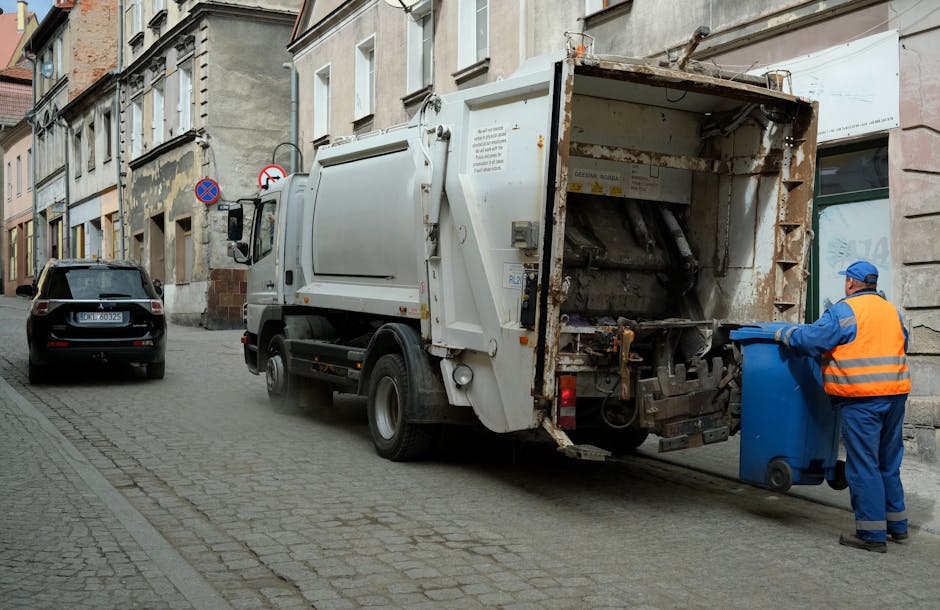
Domestic rubbish collection for West Barnes Lane homes

If you live on West Barnes Lane, rubbish has a habit of building up faster than you expect. One old chair in the hallway, a few black bags after a clear-out, a broken appliance by the side gate, and suddenly the place feels tighter, messier, and a bit harder to live in. Domestic rubbish collection for West Barnes Lane homes is really about getting that clutter out in a sensible, safe, and efficient way without turning your week upside down.
This guide walks through how domestic rubbish collection works, what it suits best, where people often go wrong, and how to choose the right approach for your home. It also covers useful practical details for local households, from single-item removals to bigger clearances after decorating, moving, or sorting the loft. Let's make it straightforward.
Why domestic rubbish collection for West Barnes Lane homes matters
A tidy home is not just about looks. On a busy residential road like West Barnes Lane, domestic waste can affect how safely you move around the property, how quickly you can clean, and how calm the whole place feels. A pile of unwanted items in a hallway or front garden can become annoying very quickly. Add rain, awkward parking, or limited storage, and the problem gets bigger. Fast.
There is also the practical side. Household rubbish, bulky items, and mixed waste need handling properly so they do not become a nuisance or a safety hazard. Broken glass, old furniture, damp cardboard, and electrical items all need a little thought. Truth be told, most people do not mind the clear-out itself; they mind the faff around it. Lifting, sorting, loading, and figuring out what can and cannot go where is the bit that drains energy.
That is why a domestic rubbish collection service can be so useful for local homes. It helps you deal with waste in one visit rather than stretching the job across a weekend, a few council collection dates, and several trips to move things around. For many households, that means less stress and a better end result. No drama, no half-finished piles by the side of the house.
If your clear-out involves mixed items, heavy furniture, or awkward appliances, it can also help to understand related services such as house clearance and home clearance, especially when the job is bigger than a standard bin collection.
Expert summary: The main value of domestic rubbish collection is not just removing waste. It is reducing clutter, saving time, and making sure the disposal route matches the type of waste you actually have.
How domestic rubbish collection for West Barnes Lane homes works
In practice, domestic rubbish collection is usually a simple process. You describe what needs to go, get an idea of the load size, and arrange a collection time that suits the household. On the day, the team arrives, confirms what is being taken, loads the items, and removes them from the property. For many people, that is the entire story. Which is nice, because domestic waste should not need a full life story.
The useful part is in the planning. A good collection starts with identifying what kind of waste you have. Is it general household rubbish? Bulky furniture? Garden waste? A mix of old belongings from the loft or garage? The answer matters because different items can be handled differently, and some need extra care.
If you have large or specific items, it is worth checking dedicated disposal routes. For example, worn-out seating can often be dealt with through mattress and sofa disposal or broader furniture disposal, while broken cold appliances may need fridge and appliance removal. That sort of matching makes the whole process smoother and avoids last-minute surprises.
Another thing to expect is a quick assessment of access. Can a vehicle stop nearby? Is there a narrow path, steps, or a shared driveway? These details affect how the collection is done and how long it takes. On residential streets, especially where parking is not generous, a bit of forethought helps more than people think.
Many households also ask what happens after collection. While the exact route depends on the waste type, responsible domestic collection generally involves sorting for reuse, recycling, or safe disposal where appropriate. If you care about that side of things, the site's recycling and sustainability information is worth a look.
Key benefits and practical advantages
There are plenty of reasons people choose arranged rubbish collection instead of doing everything themselves. Some are obvious. Some only become obvious once you have tried to move a dining table down a stairwell and nearly regretted all your life choices.
- Saves time: One collection can replace several hours of sorting, lifting, and transporting waste.
- Reduces physical strain: Bulky or heavy items are handled for you, which is especially helpful if stairs, tight halls, or awkward corners are involved.
- Improves safety: Broken items, sharp edges, and unstable piles are removed before they cause problems.
- Creates usable space quickly: Clearing a room, loft, garage, or garden often makes the whole home feel better almost immediately.
- Supports better disposal habits: Waste can be separated and handled more responsibly than a rushed DIY load.
- Helps with one-off projects: Ideal after decorating, refurbishing, downsizing, or seasonal decluttering.
A smaller but genuinely valuable benefit is peace of mind. If the collection is arranged properly, you are not left wondering whether items were dumped somewhere they should not have been. For a lot of homeowners, that matters as much as speed.
It also helps when you need a more tailored service than standard bins can offer. Big clear-outs rarely fit neatly into routine household collections, and let's face it, council bins were not built for an old wardrobe, three broken stools, and a pile of cupboard offcuts. That is where a more flexible domestic collection can feel like a relief.
Who this is for and when it makes sense
Domestic rubbish collection for West Barnes Lane homes makes sense for a broad mix of households. It is not only for major clearances. In many cases, it is the practical choice for small but awkward jobs that are too much for ordinary bin days.
It is a strong fit if you are:
- Clearing out a spare room, loft, garage, or shed
- Replacing furniture and need the old pieces removed
- Dealing with post-renovation clutter
- Moving house and want a faster finish
- Managing a home after a long period of accumulation
- Trying to clear garden waste after pruning, digging, or seasonal tidy-up
- Getting rid of mixed household rubbish that is too bulky for regular collections
There are also times when a more specific service is the smarter route. If your job is mainly the loft, a loft clearance may be more efficient. If the mess is concentrated in the garage, garage clearance is usually a better fit. If the problem is mostly outdoor cuttings, branches, or soil bags, then garden clearance may be more relevant.
Households often wait too long before booking. By the time the pile becomes a tripping hazard or starts taking over the dining room, the job feels twice as big. Better to deal with it earlier if you can.
Step-by-step guidance
If you want a smooth domestic rubbish collection, a little preparation goes a long way. Here is a sensible process that works well for most West Barnes Lane homes.
- List the items you want removed. Be clear about what stays and what goes. Include bulky items, bags, broken furniture, appliances, and anything stored in the loft, shed, or garage.
- Separate hazardous or restricted items. Some materials need special handling and should never be mixed casually with ordinary household waste.
- Check access routes. Think about gates, stairways, tight corners, parking, and whether items need carrying through the property.
- Group items by room or type. This makes loading quicker and reduces the chance of confusion on the day.
- Ask for a clear quote or estimate. Pricing usually depends on volume, item type, labour, and access. The more accurate your description, the better.
- Prepare the area. Move small valuables, clear pathways, and make sure pets and children are kept safely out of the way.
- Confirm what will happen on collection day. Knowing the arrival window and collection process helps the day run calmly.
A useful trick: take quick photos of the waste before you book. Even a few phone pictures can make the estimate more accurate and save time on back-and-forth questions. Simple, but effective.
If you are comparing waste removal options, the waste removal page gives a broader sense of how mixed household rubbish is typically handled, while the pricing and quotes page is helpful if you want to understand how quotes are usually structured before you commit.
Expert tips for better results
After a lot of household clear-outs, a few patterns show up again and again. The homes that go smoothly usually have one thing in common: they are prepared just enough, not overprepared. You do not need a military operation. Just a bit of order.
Sort before you book, not after
If you can separate keep, donate, recycle, and remove piles in advance, the collection is easier and usually quicker. It also helps you spot items you thought were rubbish but actually still have a use. We have all done that. A side table becomes "junk" until you notice it could be reused with a quick clean.
Be honest about volume
Underestimating how much there is can lead to a clumsy, frustrating day. Overestimate a little if the pile is growing fast. It is better to be slightly cautious than to pretend the cupboard clear-out is "just a few bags" when the reality looks more like a small furniture showroom collapse.
Keep a clear walkway
Even if the load is small, access can make or break the job. A clear path from the front door to the waste pile saves time and reduces the risk of bumps, scrapes, or awkward manoeuvres around corners.
Think in categories
Household waste, garden waste, furniture, electrical items, and building offcuts are not all treated the same way. Grouping them properly helps the collection team understand the job and may reduce avoidable delays.
Choose the right service for the right room
There is no prize for forcing everything into one generic job description. If the task is mostly furniture, use a furniture-focused service. If it is a room-by-room clear-out, a broader home or house clearance might be the better fit. Matching the service to the mess usually saves hassle.
A final tip: if you are dealing with paperwork, personal files, or old documents, consider whether they should be separated before collection. For households with sensitive paperwork, confidential shredding may be relevant. Better safe than sorry, really.
Common mistakes to avoid
Most collection problems are avoidable. They usually come from rushing, guessing, or leaving the sorting until the last minute. Happens all the time.
- Mixing everything together: General waste, appliances, and garden cuttings all piled into one heap can make collection harder than it needs to be.
- Forgetting about access: A clear route matters more than many people realise, especially on narrow residential properties.
- Leaving restricted items in with general waste: This can complicate the job and may prevent certain items from being taken in the same load.
- Assuming all furniture is the same: Sofas, mattresses, wardrobes, and tables can require different handling.
- Not checking what is included: If a quote is based on a specific volume or item list, adding more on the day can change the outcome.
- Starting the clear-out too late: A rushed job is when people forget what is staying, what is going, and what needs special attention.
There is also a subtle mistake people make: they focus on disposal and forget about the next stage. Once the rubbish is gone, what needs cleaning, fixing, or reorganising? If you plan that part too, the result feels properly finished rather than just "less messy".
Tools, resources and recommendations
You do not need much in the way of tools, but the right small items make the job easier. A few bin bags, sturdy gloves, tape, a marker pen, and some cardboard boxes can go a long way. If you are sorting a loft or garage, a torch helps more than you might expect. Dusty spaces hide odd things.
Useful home-side resources include:
- Phone camera: Great for documenting items before collection and helping with quoting.
- Sticky labels or notes: Helpful if you are separating items by room or priority.
- Furniture sliders or a sack truck: Useful for light DIY movement before the collection team arrives, though only if it is safe to do so.
- Basic cleaning supplies: Handy for dealing with the gap left behind once the waste has gone.
For some households, it also helps to read practical guidance on what can be included in a load and what should be separated. The what can go in a skip page is useful as a general reference point, even if your chosen option is not a skip at all. It helps people think more clearly about item types and disposal boundaries.
If you want to review service standards and how collections are managed more broadly, the pages on health and safety policy and insurance and safety can reassure you that the practical side is being taken seriously.
Law, compliance, standards, or best practice
For domestic rubbish collection, the big principle is simple: waste should be handled responsibly and transferred to an appropriate destination by a provider that follows accepted UK waste practices. You do not need to memorise the law to make a sensible choice, but you should expect careful handling, sensible segregation, and clear communication about what is and is not accepted.
In everyday terms, best practice usually means:
- Waste is collected safely and without unnecessary mess
- Items that need special treatment are identified early
- Material is separated where practical for reuse or recycling
- Customers are told clearly about exclusions, access needs, and collection expectations
- The service is documented in a way that avoids confusion later
For householders, the practical takeaway is to be honest about what you need removed. If you have something potentially hazardous, awkward, or unusual, mention it before the day of collection. That is not overcautious; that is just sensible. The same goes for anything involving broken glass, old fluids, or items that may need special disposal routes.
If you are choosing between companies, look for signs of proper process: clear terms, straightforward pricing, understandable policies, and a willingness to explain what happens next. Those things matter more than flashy claims.
Options, methods, or comparison table
There is more than one way to clear domestic rubbish from a home on West Barnes Lane. The best choice depends on the amount of waste, the item type, and how much work you want to take on yourself.
| Option | Best for | Pros | Trade-offs |
|---|---|---|---|
| DIY tip run | Small, manageable loads | Can be flexible if you have transport and time | Laborious, time-consuming, and not ideal for bulky items |
| General household collection | Mixed domestic waste | Convenient for everyday clutter and bagged rubbish | Less suitable for large furniture or awkward items |
| Specialist item removal | Sofas, mattresses, appliances | More appropriate handling for specific items | Needs the right service for the right item |
| House or home clearance | Whole-room or whole-property clear-outs | Best for larger domestic jobs and broader decluttering | Usually more involved than a small collection |
To be fair, most households do not need to choose just one method forever. People often combine approaches: a small DIY bag run for lightweight bits, then a proper collection for the bulky and awkward stuff. That hybrid approach can work well if you are organised.
Case study or real-world example
Imagine a family on West Barnes Lane getting a room ready for a new home office. The spare bedroom has become the holding area for everything: an old desk, a broken office chair, a box of cables, a damaged bookcase, and a few bags of mixed household clutter from the airing cupboard.
At first glance, it feels minor. Then you start moving things and realise the desk is heavier than it looks, the bookcase is awkward to carry, and one bag contains old electronics that should not simply be bundled in with general rubbish. Not a disaster, just a bit messy. Very normal.
What works well in that situation is to split the job into categories: furniture for removal, loose household waste for bagging, and any small electrical or special items set aside separately. The access route is checked, the hallway is cleared, and the room is ready before collection day. That saves time and avoids the common moment of panic where someone says, "Actually, we forgot about the second chair."
By the end of the collection, the room is open again. You can see the floor. The smell of dust is gone. The space feels calm enough to work in, which is usually the point. Small change, big difference.
Practical checklist
Use this checklist before your domestic rubbish collection appointment.
- Make a clear list of items to remove
- Separate keep, donate, recycle, and dispose piles
- Photograph bulky or awkward items
- Check for appliances, mattresses, sofas, or other special items
- Identify anything potentially hazardous or restricted
- Measure access if the route is tight or awkward
- Clear hallways, steps, and garden paths
- Move valuables and personal paperwork out of the way
- Confirm parking or vehicle access if needed
- Make sure children and pets are safely clear of the work area
- Ask how the collection will be handled on arrival
- Prepare payment details if required
It sounds basic. It is basic. But basic is often what makes the day run properly.
Get a free quote today and see how much you can save.
Conclusion
Domestic rubbish collection for West Barnes Lane homes is about turning an overwhelming pile into a manageable task. Whether you are clearing one bulky item or sorting several rooms at once, the right approach saves time, avoids strain, and helps keep your home feeling comfortable again.
The best results usually come from a little planning, clear communication, and choosing the right collection method for the type of waste you actually have. That may sound obvious, but in real life it makes a huge difference. A well-handled collection feels almost effortless by the end, and that is exactly how it should be.
If your home is starting to feel crowded by clutter, do not wait for the next big problem. A calm, well-timed collection can make the whole place breathe again. And honestly, that little bit of breathing room matters.
Frequently Asked Questions
What counts as domestic rubbish collection for a home on West Barnes Lane?
It usually means the removal of household waste, bulky items, old furniture, bagged rubbish, and other domestic clutter from your property. The exact mix depends on the collection type and what the provider accepts.
Can I book a collection for just one item?
Yes, many households do. A single sofa, mattress, wardrobe, or appliance is a common reason to arrange collection, especially if it is too heavy or awkward for regular disposal.
What should I do before the collection team arrives?
Clear a path, separate the items you want removed, and make sure any personal belongings are taken away from the area. If you can, group items by room or type to speed things up.
Do I need to sort my waste before booking?
It helps a lot. Sorting by item type makes quoting more accurate and reduces confusion on collection day. You do not need to overcomplicate it, just keep the main categories separate.
What happens if I have a mix of furniture and rubbish?
That is very common. Mixed loads are often handled as part of a broader waste removal or home clearance job, as long as the items are described clearly in advance.
Are appliances included in domestic rubbish collection?
Sometimes, but not always in the same way as general waste. Appliances often need specific handling, so it is best to mention them clearly when you enquire. Fridges and similar items are especially worth flagging early.
How do I know whether I need house clearance or just rubbish collection?
If you are dealing with a room full of belongings, multiple furniture items, or a larger decluttering project, house or home clearance may be more suitable. If it is mainly bags and a few items, a simpler collection may be enough.
Can garden waste be collected with household rubbish?
Sometimes, but it depends on the service and how the waste is packaged. Garden waste is often easier to handle through a dedicated garden clearance if you have a lot of cuttings, branches, or soil bags.
What if I have confidential papers or documents?
Keep them separate and do not mix them into a general load if you want extra peace of mind. Confidential shredding is the safer option for sensitive paperwork.
Is domestic rubbish collection suitable after decorating or DIY work?
Yes, as long as the waste type is described properly. Painted offcuts, broken fixtures, and mixed household clutter are common, but anything related to building work may be better suited to a builders waste service.
How do I prepare for a tight access property?
Measure narrow paths, move obstacles, and tell the provider about steps, gates, shared entrances, or parking restrictions before the booking is confirmed. Access details make a bigger difference than most people expect.
What is the safest way to handle broken or sharp waste?
Keep it contained, clearly separated, and labelled if needed. Broken glass, sharp metal, and damaged furniture edges should not be left loose where someone can catch a hand or trip on them.
If you are ready to clear space and get the job done properly, start with the items causing the most pressure and work from there. A small step today can make the house feel easier to live in by tomorrow morning.
For more about the company behind the service, you can also read the about us page or review the terms and conditions if you want the practical details first.